
Drug crimes represent some of the most common criminal charges in Pennsylvania. Among these are charges for manufacturing and delivering drugs in addition to possessing drugs with the intent to distribute them. These are severe charges, and you should contact a defense lawyer immediately.
Although charges related to manufacturing, delivery, and possession with the intent to distribute (PWID) are often non-violent charges, they tend to be punished quite severely. Even so, you have the right to defend yourself, and there could be numerous flaws in the prosecutor’s case against you. You can challenge the alleged intent behind the supposed offense, challenge illegally seized evidence, or highlight weak or missing criminal evidence needed to secure a conviction.
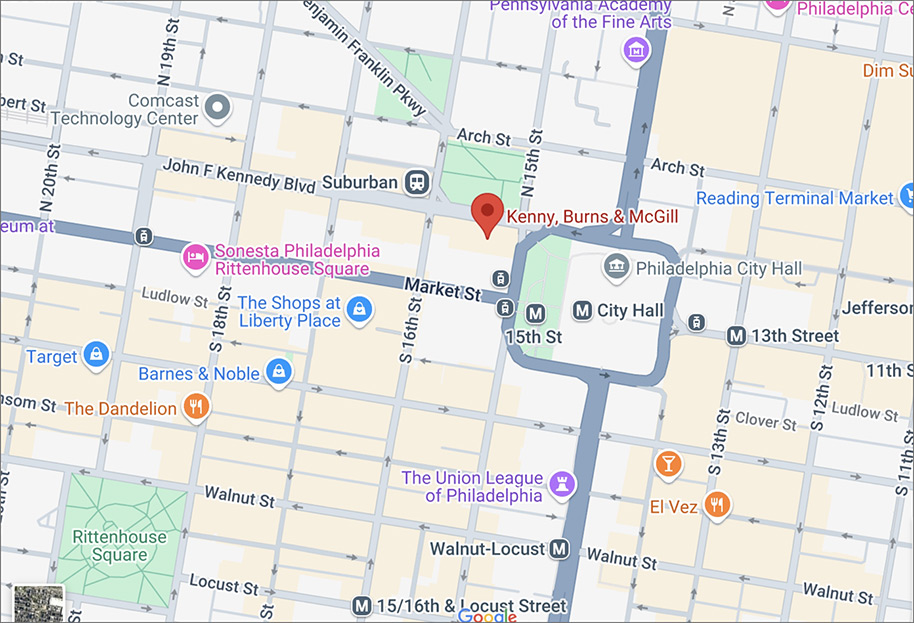
Call our defense lawyers for section 780-113(a)(30) charges for a free case review at Kenny, Burns & McGill at (215) 774-5644.
What Are Section 780-113(a)(30) Charges?
Charges under § 780-113(a)(30) cover offenses related to the manufacturer and delivery of controlled substances in addition to possession with the intent to distribute. While all these offenses are drug-related, there are distinct differences that are important to understand when mounting a defense in court.
Drug Manufacture
Charges for illegally manufacturing drugs may apply if the authorities suspect that you are producing controlled substances. This is often a very serious and dangerous offense, as illegal drug labs are known to be volatile and risky. You do not necessarily have to be distributing the drugs to be charged with illegal manufacturing.
Drug Delivery
Drug delivery often involves illegally selling or dealing controlled substances, but you do not have to sell drugs for money to be charged with illegal distribution. Simply giving away controlled substances may be grounds for criminal charges. Similarly, trading drugs for goods or services may also lead to charges for illegal distribution.
Possession with the Intent to Distribute
Charges for the illegal possession of controlled substances with the intent to distribute them are somewhat trickier to understand, as you do not actually have to distribute anything to be charged. Instead, the authorities may determine, based on additional evidence, that a suspect intended to distribute the drugs in their possession.
Common factors used to justify PWID charges include, but are not limited to, the quantity of controlled substances, the presence of drug paraphernalia, the packaging of the substances, and information from witnesses or others close to the alleged offense.
How Can I Fight Drug Charges Under Section 780-113(a)(30)?
You might have multiple options for your defense, and your attorney should help you determine the most effective defense strategies for your case.
Challenge the Alleged Intent
Your alleged intent may be a crucial element of the case, especially if you face PWID charges. The authorities might believe that you intended to distribute the drugs that were allegedly in your possession, but the evidence might say otherwise. If there is not enough evidence to support PWID charges, we may be able to downgrade them to simple possession, which is typically punished much less harshly.
Illegally Seized Evidence
Evidence is crucial in any case, but evidence of controlled substances is particularly important in drug cases. If there is no evidence of the drugs themselves, the case may be very weak. If the police seized the alleged drugs from your possession illegally, it may be tainted and cannot be used against you. Without this evidence, the case might quickly fall apart.
Missing Criminal Elements
We must also consider the criminal elements that the prosecutor must prove to secure a conviction. If even a single element is missing or not supported by the evidence, we can make a strong argument against the charges. For example, if you are charged with drug manufacturing because some equipment necessary to make the drugs was in your home, but there was no evidence that the equipment had been used, it may be very difficult for the charges to hold up in court.
FAQs About Charges for Drug Manufacturing, Delivery, or Possession with the Intent to Distribute
How Can Someone Be Charged with Drug Manufacturing?
Charges for drug manufacturing may apply to people accused of actually making or producing controlled substances. This could involve small operations out of someone’s home or large-scale production efforts connected to bigger drug rings.
How Can Someone Be Charged with Drug Delivery or Possession with the Intent to Delivery?
Charges for drug delivery require that drugs actually be passed from one person to another. While many charges for delivery involve drug sales, the exchange of money is not necessary for charges to stick. Possession with the intent to distribute does not require actual delivery, but rather evidence that the defendant intended to deliver or distribute controlled substances.
Are Charges for Manufacturing or Delivering Drugs Serious?
Yes. While these are often non-violent offenses, they may be charged as serious felonies. Depending on what controlled substances are allegedly involved and the scale of the alleged drug operation.
Is Possession with the Intent to Distribute Controlled Substances a Serious Crime?
Yes. PWID charges involve much more than simply having controlled substances under your control. It often involves evidence indicating the suspect’s intent to distribute the drugs to others. As such, it is often charged much more harshly than simple possession.
How Can I Fight Drug Charges for Manufacturing or Delivering Controlled Substances?
Drug charges often hinge on evidence of controlled substances. If the authorities seized the alleged controlled substances without a warrant or under illegal circumstances, we can challenge the evidence and prevent it from being used in court. At that point, the prosecutor’s case might be so weakened that they can no long continue pursuing the charges.
What is the Difference Between Possession with the Intent to Distribute and Simple Possession?
Simple possession charge may apply when a suspect is believed to have illegal controlled substances in their possession. PWID charges apply when there is additional evidence to suggest the suspect intended to sell, deliver, or distribute the drugs. Simple possession is often a misdemeanor, while PWID may be a more serious felony.
What Should I Do After Being Arrested for a Drug Crime?
You should remain silent and avoid answering questions from the police about the alleged offense. You must also demand that a lawyer be present if you answer any questions. These are your rights, and you are allowed to exercise them without penalty or retaliation from the authorities.
Will I Go to Jail or Possession with the Intent to Distribute?
PWID charges carry significant incarceration as a possible penalty. If you are convicted, there is a good chance you will spend some time behind bars. However, if it is your first offense and non-violent, you may be eligible for certain diversion programs that can help you avoid prison time and even a conviction on your record.
Can I Be Incarcerated for Drug Delivery or Manufacturing?
Yes. These are very serious drug offenses, and the authorities often punish these offenses quite harshly, as they are considered a driving force behind the illegal drug trade.
Do I Need a Lawyer for Non-Violent Drug Offenses?
Yes. Even though your charges may be for non-violent offenses, that does not mean that harsh penalties are off the table. In fact, non-violent drug charges are known for being harshly punished, and you should contact a lawyer immediately.
Contact Our Defense Lawyers for Section 780-113(a)(30) Charges
Call our defense lawyers for section 780-113(a)(30) charges for a free case review at Kenny, Burns & McGill at (215) 774-5644.