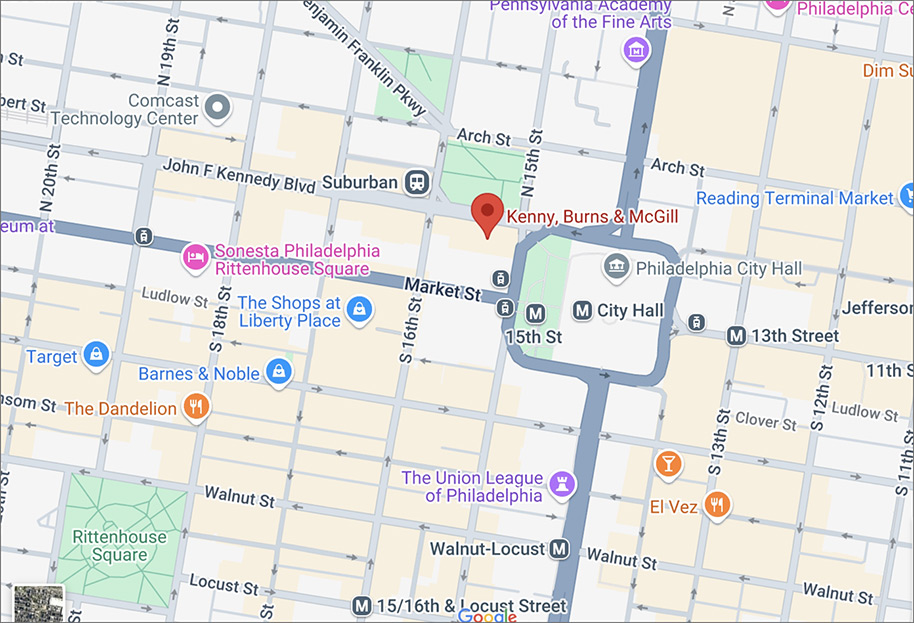

If you or someone you know has been charged with a criminal offense in Allentown, the best thing you can do is to hire a lawyer. The criminal justice process can feel overwhelming, and many defendants report feeling as though the odds are against them. Your lawyer can help you through this time and develop the best defense strategies for your case.
You have a right to have a lawyer, and the government may not interfere with your ability to hire your own criminal defense attorney. Your lawyer should be the point of contact for law enforcement, prosecutors, and even potential witnesses. They should also help with everything from bail hearings to appealing unfair or wrongful convictions. An experienced attorney can make a huge difference when it comes to mounting an effective criminal defense.
Ask our criminal defense attorneys for a private, free case assessment when you call Kenny, Burns & McGill at (215) 423-5500.
Do I Need a Criminal Defense Lawyer if I am Arrested?
Yes. People sometimes hesitate to hire lawyers until after they are formally charged, but an experienced attorney can help you from the very moment you are arrested.
Your Right to an Attorney
Not only should you get a lawyer, but you have a legal right to an attorney that the police and prosecutors cannot interfere with. If the police wish to conduct custodial interrogation, you have the right to have a lawyer present during questioning. You also have the right to legal counsel during your trial. Invoke these rights immediately and get help from a lawyer as soon as possible.
Communicating with Prosecutors and Law Enforcement
Your attorney can not only help you develop effective defense strategies, but they can also be your point of contact for all other parties involved in the case. If the police, prosecutors, court officials, or even witnesses need to contact you for any reason, they should go through your lawyer. In fact, prosecutors should not have direct contact with defendants when they have legal representation.
Evidence and Defense Strategies
Perhaps the primary job of a criminal defense attorney is to help defendants review evidence and develop defense strategies. Evidence is unique in every case, and our criminal defense attorneys should thoroughly review everything to look for flaws in the prosecutor’s case. Based on this information, your attorney can help you determine the best defense methods.
FAQs About Criminal Cases in Allentown
Where Can the Police Arrest Someone for an Alleged Crime?
The police can arrest someone for a crime almost anywhere. If the police witness the crime take place or see a suspect fleeing the scene of the crime, they can arrest them right then and there. However, the police often need an arrest warrant to come and arrest you. In that case, they could arrest you at home, at work, or anywhere else they think they will find you.
How Long Can the Police Detain Someone After Arrest in Allentown?
The police may detain a suspect for up to 48 hours before charges must be assessed or the suspect must be released. If a person is arrested during a holiday or the weekend, this timeframe may be somewhat extended. Even so, if you are detained for more than 48 hours without charges, contact an attorney as soon as possible.
When Do I Need to Call a Criminal Defense Lawyer for Help?
You should call a criminal defense attorney for help as soon as possible. If you learn that you are under investigation for an alleged crime, call a lawyer now. Even if no arrest has been made, your attorney can prepare you for a possible confrontation with law enforcement. If you have already been arrested, the police should allow you to call a lawyer before they question you about the alleged offense.
How Do I Build Up My Defense in a Criminal Trial?
To build your defense, you and your lawyer must thoroughly review your charges to determine which criminal elements the prosecutor must prove to secure a conviction. Next, you can obtain the evidence the prosecutor will use against you through the discovery phase. Discovery is crucial because it enables defendants to know exactly what they are up against and build the strongest possible case.
How Long Do Criminal Trials Usually Take in Allentown?
Criminal trials often take one or possibly several weeks to complete. More serious cases involving complex facts may take more time to investigate, and trials usually take a bit longer. Also, you should know that your trial might not happen until several months or even a year after your initial arrest. Again, more serious or complex cases tend to take the most time.
What Are Possible Defense Strategies in a Criminal Trial?
Defense strategies will vary based on your specific facts and circumstances. One common method is to scrutinize the evidence seized by the police. If they seized any evidence illegally, it can be excluded from the case and not used against you. If enough evidence is excluded, the case may be severely weakened. If evidence is overwhelming, the best strategy might be to work out a plea agreement that allows you to avoid the harshest penalties possible.
What Do I Do if I am Found Guilty in a Criminal Trial?
If you are convicted at your trial, your attorney should immediately help you file an appeal. A direct appeal must be filed within 30 days of sentencing or the entry of the final order, whichever is later. On appeal, your attorney may point to legal errors you believe occurred that caused an unfair outcome of your trial. If the appellate court agrees, you could be granted a new trial, during which the legal errors must be corrected.
How Do I Get Criminal Charges Dropped?
Only prosecutors may drop charges, and they may do so for various reasons. One common reason is that prosecutors realize they do not have enough evidence to secure a conviction. In other cases, prosecutors may drop certain charges as part of a plea agreement. Remember, prosecutors may drop some or all the charges, depending on the circumstances.
Ask Our Allentown Criminal Defense Lawyers for Help with Your Case
Ask our criminal defense attorneys for a private, free case assessment when you call Kenny, Burns & McGill at (215) 423-5500.